
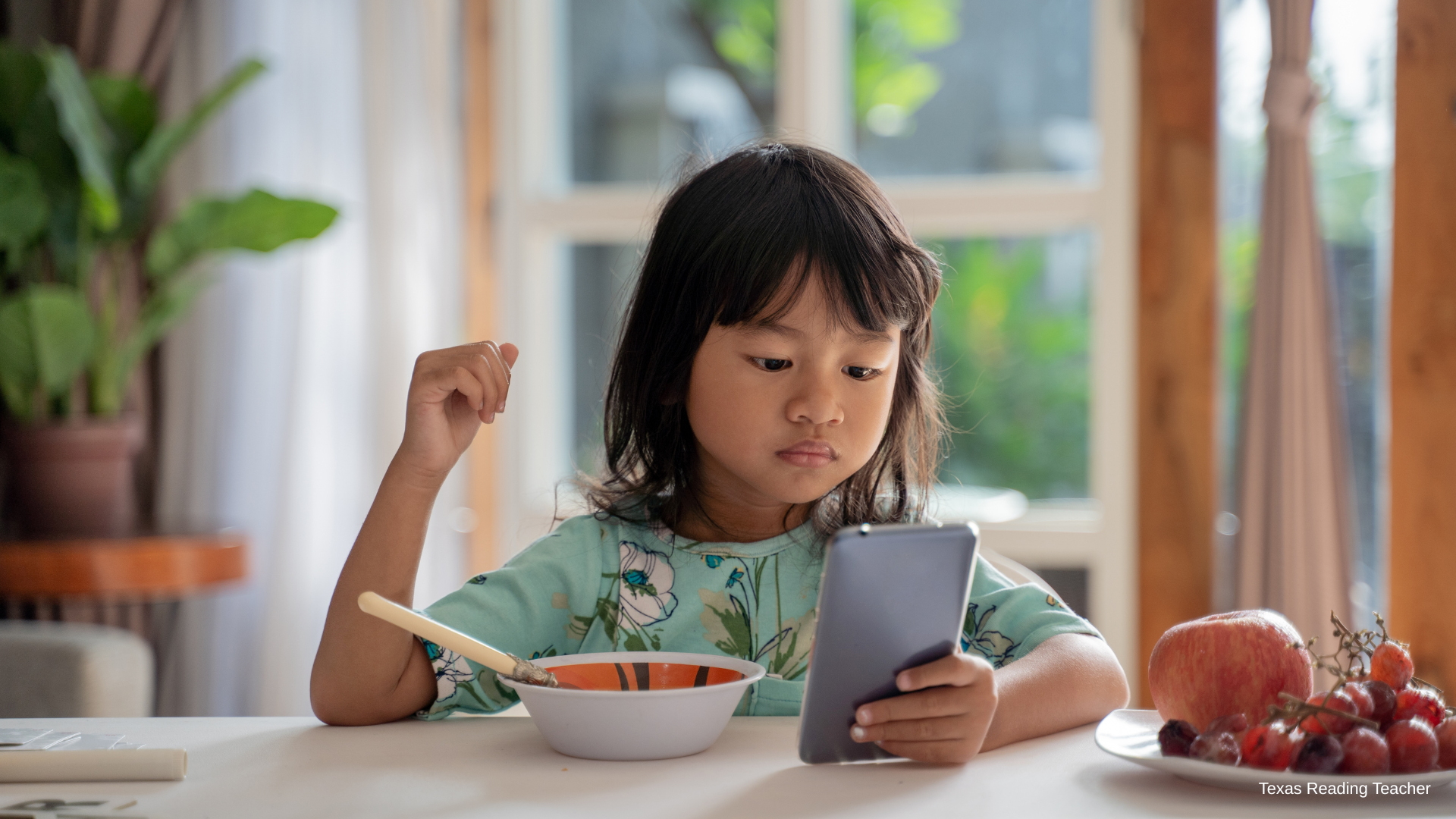
Learning to read is one of the most important milestones in a child’s life. For beginning readers, the early years are critical. This is when their brains are building the foundation for all future learning. But too much screen time can get in the way.
Let’s explore why reducing technology is essential for helping beginning readers thrive.
Beginning Readers Need Real Practice
Reading is a skill that grows with use. Beginning readers need plenty of time working with books, sounding out words, and practicing reading aloud. When screen time takes over, kids miss valuable chances to build these skills.
Screens can’t replace the rich learning that happens when children hold books, track words with their fingers, and read with a parent or teacher.
Too Much Technology Can Shorten Attention Spans
Reading takes focus and patience. Beginning readers move slowly and carefully as they sound out words. But fast-moving games and videos can make it harder for kids to stick with a reading task.
Limiting technology helps young readers develop the attention span they need to work through tricky words and longer books.
Reading Success Grows Through Face-to-Face Conversations
Screens don’t talk back the way people do. Beginning readers need real conversations to build vocabulary, understand stories, and develop comprehension skills.
Talking about books, asking questions, and sharing stories face-to-face are powerful tools that help children make meaning from what they read.
Less Screen Time Creates More Reading Time
The more time kids spend on screens, the less time they have for books. Reading success requires lots of daily practice.
When families and teachers reduce technology, they make more room for reading together, visiting the library, and encouraging independent reading time.
Hands-On Learning Builds Reading Confidence
Young children need more than just words on a screen. They need to handle books, explore letters, play with sounds, and see how reading connects to the world around them.
Hands-on reading experiences build stronger connections in the brain and help children become confident, skilled readers.
Tips for Supporting Beginning Readers
- Limit daily screen time. Follow guidelines from trusted health organizations.
- Make reading part of your daily routine. Set aside quiet, screen-free reading time each day.
- Model reading. Let your child see you reading books, recipes, maps, or anything you enjoy.
- Talk about books. Ask questions, make predictions, and connect stories to real life.
- Encourage play. Reading grows best alongside creative, hands-on play.
Final Thoughts
Beginning readers need time, patience, and real-life practice to become successful readers. Reducing technology gives children the space they need to focus on books, build reading stamina, and fall in love with reading.
The best gift we can give beginning readers is time with books and the people who love them.


Leave a Reply