
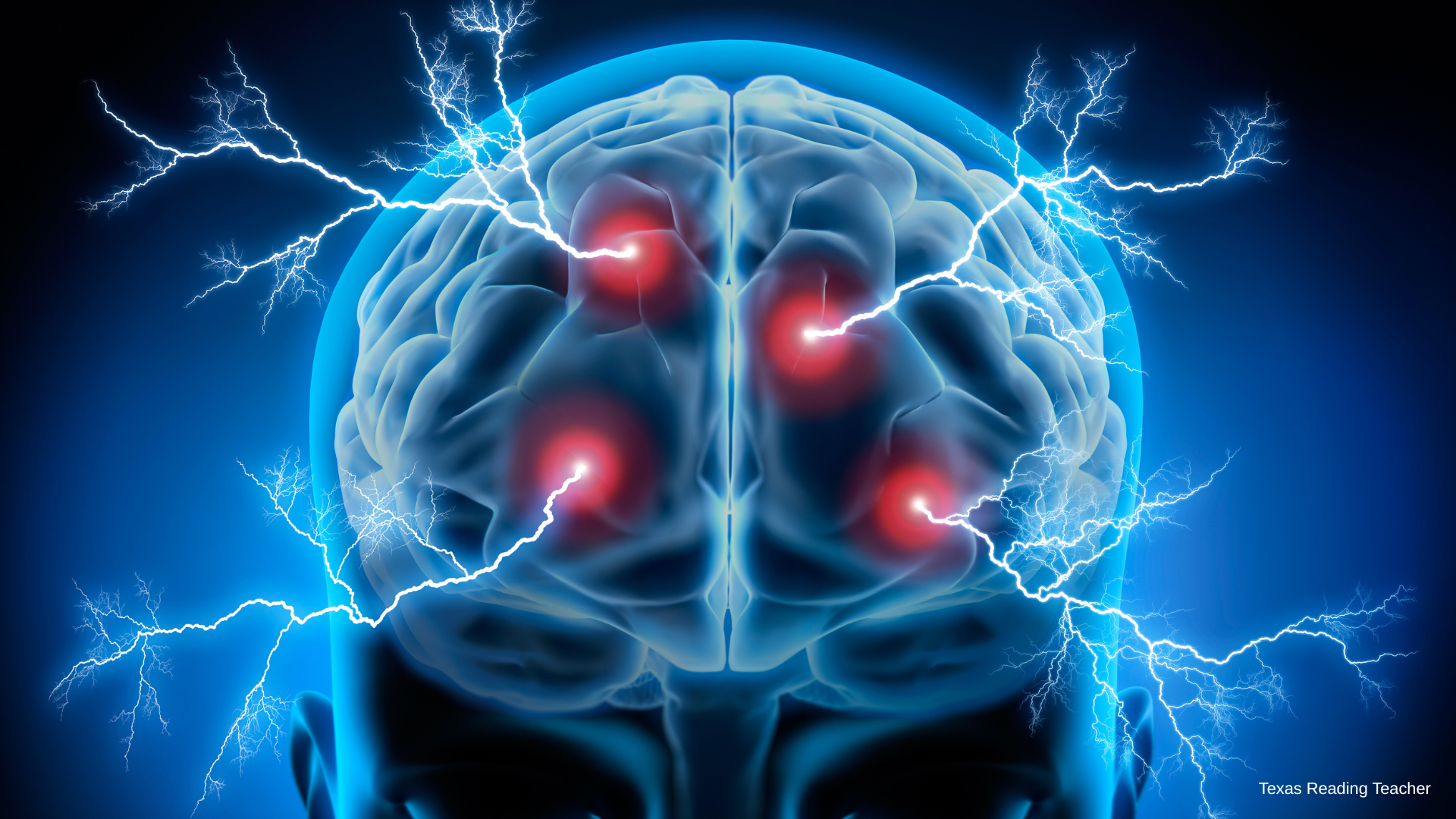
Reading may seem automatic to skilled readers, but under the surface, it’s one of the most complex tasks the human brain performs. When a child learns to read, or when an adult reads silently or aloud, the brain activates multiple regions across both hemispheres in a tightly coordinated sequence. Understanding this process helps both educators and parents support developing readers more effectively.
Reading Is Not Natural
Unlike spoken language, reading is not hardwired into our brains. Human beings were never biologically programmed to read. Instead, we repurpose existing neural circuits, mainly those used for language, vision, and attention, and rewire them to work together to decode and comprehend written symbols.
Step-by-Step: What Happens in the Brain When We Read
Visual Processing
The process begins when the eyes see printed words. Light enters the retina and sends signals to the visual cortex, which interprets shapes, lines, and patterns. This area helps distinguish letters and words from the background and from one another.
Letter and Word Recognition
In the left fusiform gyrus, often referred to as the “Visual Word Form Area,” the brain identifies familiar letters and words. This region becomes increasingly efficient with practice, allowing readers to recognize words automatically and fluently.
Phonological Processing
The brain then connects letters to sounds, a process known as phonological decoding. This happens in areas such as the superior temporal gyrus and the angular gyrus. Beginning readers must consciously sound out each letter or letter combination, while skilled readers do this automatically.
Language Comprehension
Once the brain has decoded the sounds and identified the word, it moves to language processing centers such as Broca’s area (linked to grammar and syntax) and Wernicke’s area (linked to meaning). These regions help the brain make sense of the words in context, connect them to prior knowledge, and form understanding.
Cognitive Integration
Finally, executive function areas of the brain (especially in the prefrontal cortex) engage to manage attention, make inferences, question what is being read, and monitor comprehension. This is where readers think critically and respond to the text in meaningful ways.
Implications for Teaching and Parenting
Explicit Instruction Is Key: Because reading is not natural, children need direct instruction in phonics, phonemic awareness, and decoding strategies to build strong reading circuits.
Practice Builds Fluency:
Repetition and exposure strengthen neural pathways, leading to faster and more automatic reading.
Comprehension Requires Background Knowledge:
A child’s ability to understand what they read depends heavily on their vocabulary and prior knowledge.
Reading Aloud Helps All Ages: Whether a parent is reading to a toddler or a teacher is guiding a class through a novel, hearing language helps develop comprehension and cognitive processing skills.
By understanding how the brain reads, we can better appreciate the effort it takes to become a skilled reader, and we can more effectively support children at every stage of their reading journey.


Leave a Reply