
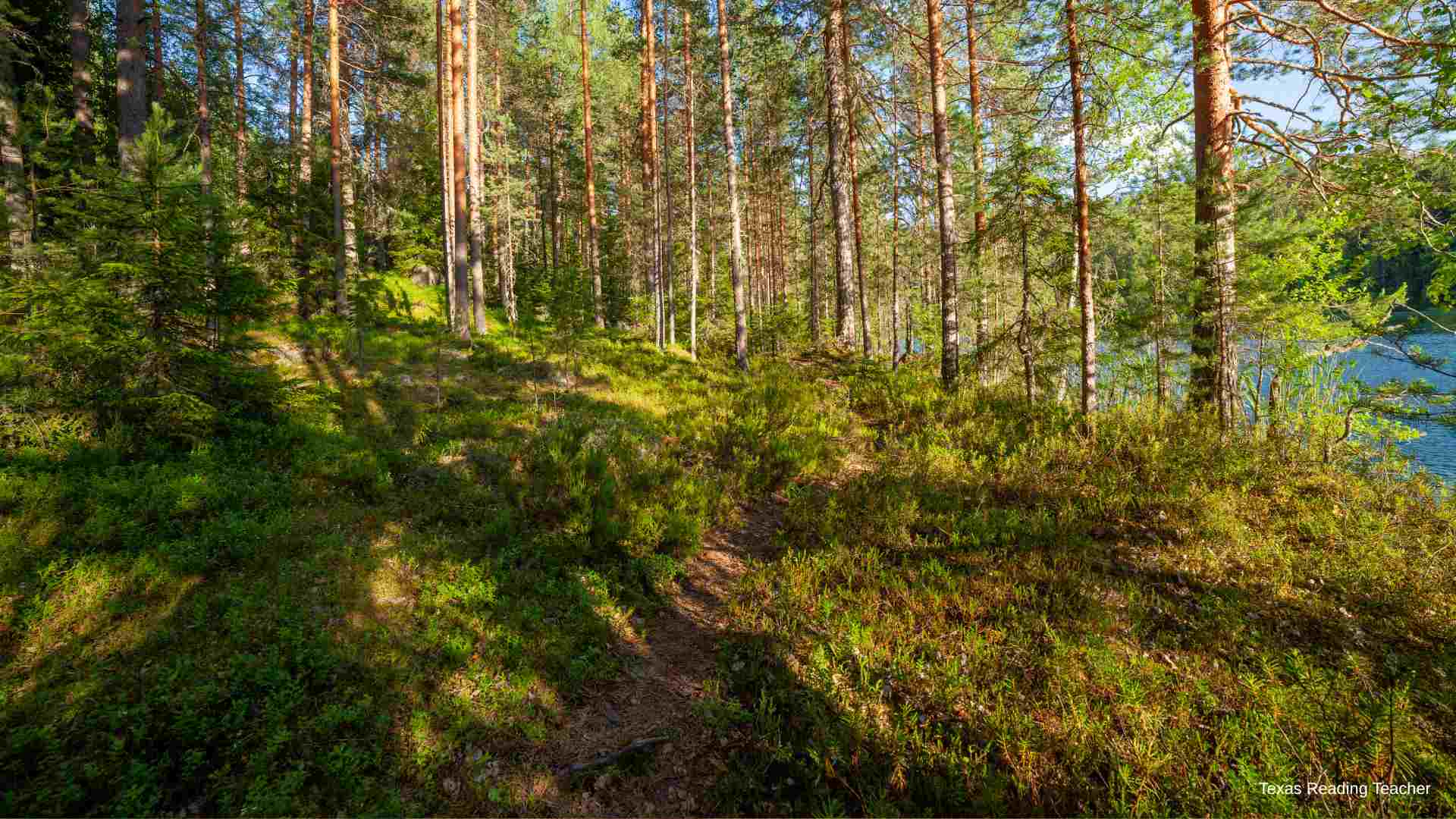
A Walk Through the Woods: A Personal Glimpse
During a recent visit to Finland, I had the opportunity to experience this philosophy firsthand. As we walked through a forest trail with my former Finnish exchange student and her young son, I noticed something remarkable. This bright and curious eight-year-old had attended a nature preschool from the ages of five to seven. As we walked nearly two miles through thick woods, he never once complained. Instead, he scanned the forest floor with care and intention. He pointed out the smallest wild berries, carefully hidden mushrooms, and tiny details that most adults would have overlooked. His love for the natural world had clearly been nurtured through years of outdoor learning. There was a confidence in the way he moved, a comfort with his surroundings, and a deep curiosity that spoke volumes.
A Different Beginning: What Is an Outdoor Preschool?
Finnish outdoor preschools operate on the belief that children thrive in natural environments. Instead of sitting at desks or learning from screens, students spend the majority of their day outdoors. Lessons are experiential and child-led. Activities include hiking, climbing, storytelling around a fire, snow play, gardening, and observing wildlife. Basic academic concepts are introduced, but always within the context of play and exploration.
Children might learn counting by collecting pinecones or compare weights using rocks and sticks. Social-emotional learning is central. Conflict resolution, empathy, cooperation, and perseverance are nurtured naturally as children navigate real-world challenges together in their outdoor classrooms.
Backed by Research: Why It Works
Finland’s educational approach is grounded in trust, both in children and in educators. Formal reading instruction does not begin until age seven, yet Finnish students consistently score at the top of global assessments like PISA (Programme for International Student Assessment). In 2022, Finland ranked sixth globally in reading, seventh in science, and ninth in mathematics among OECD countries.
The foundation for this success is laid in early childhood, where the focus is on fostering curiosity, physical development, executive function, and well-being. Studies show that children who spend significant time in nature experience:
- Stronger immune systems
- Improved attention spans
- Enhanced problem-solving skills
- Greater physical coordination
- Reduced stress and anxiety
According to a 2020 report published in the International Journal of Environmental Research and Public Health, children who attend outdoor-based early education programs demonstrate higher levels of physical activity and greater social competence compared to those in traditional classrooms.
Valuing Childhood
Perhaps the most striking feature of the Finnish model is its cultural underpinning. Children in Finland are not treated as future workers to be shaped, but as individuals worthy of respect in their present state. Parents, educators, and policymakers alike embrace the idea that a child’s primary job is to play.
This belief extends to family life. Finnish parents are given ample time off after childbirth, with parental leave extending up to 320 working days. Early childhood education is heavily subsidized, and the curriculum emphasizes joy, belonging, and holistic growth.
Practical Lessons for the United States
Although American schools may not be able to replicate the Finnish system entirely, there are valuable takeaways:
- Prioritize unstructured play, especially outdoors
- Delay formal academics in favor of developmental readiness
- Invest in preschool educators and provide them with professional autonomy
- Foster a culture that values children, not just their academic output
In the United States, the pressure to prepare young children for academic success has led to an increase in screen time and desk work, even in preschool settings. The Finnish model invites us to rethink what school can be.
Final Thoughts
The memory of that forest walk with my Finnish exchange student and her son remains vivid. His ability to notice, to wonder, and to move with ease through nature was a quiet testament to the lasting power of outdoor education. These were not skills taught by rote, but cultivated by experience.
In a world that often rushes childhood, the Finnish outdoor preschool offers a gentle reminder: sometimes, the best classrooms do not have walls.


Leave a Reply