
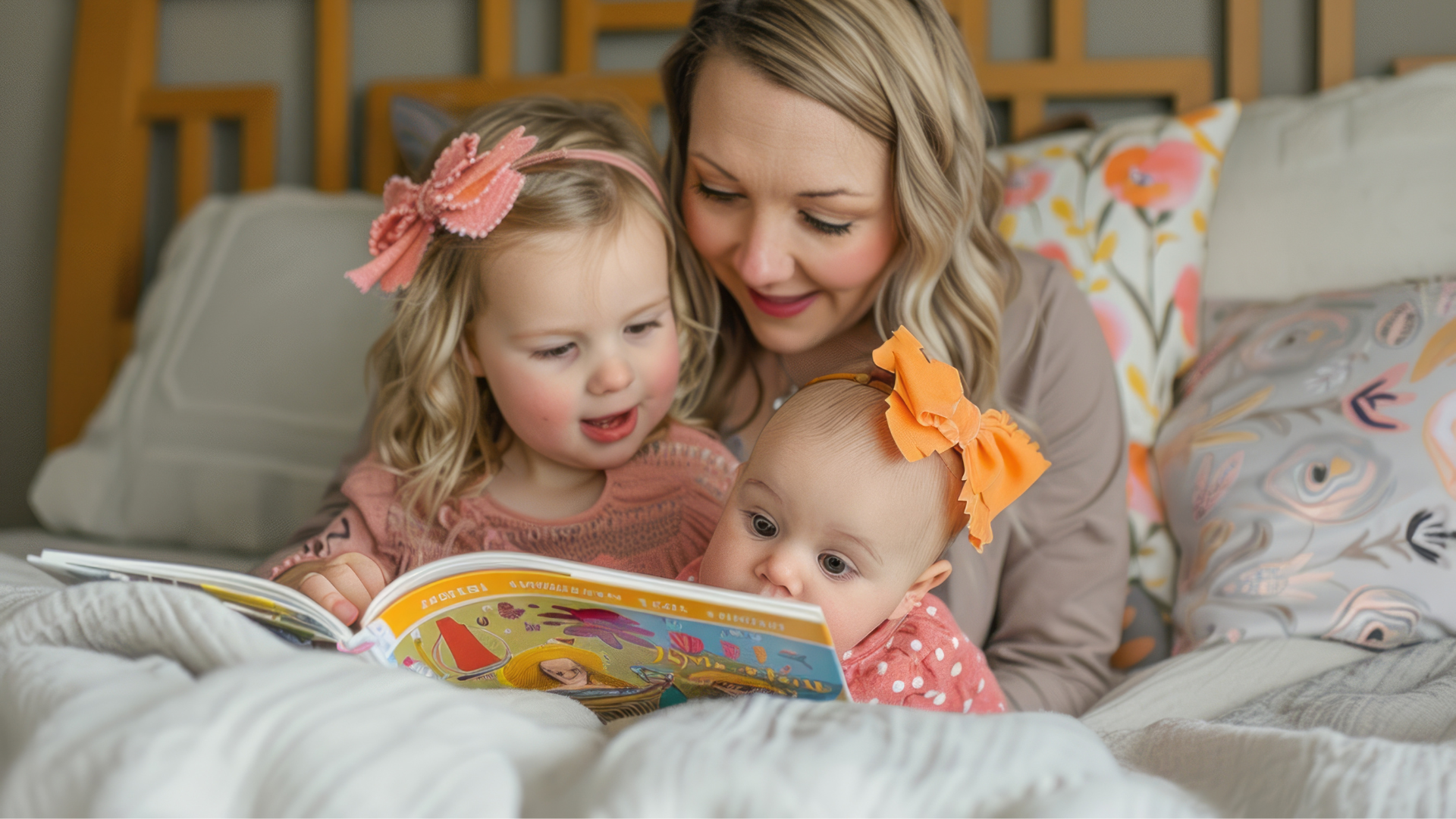
Don’t Skip the Bedtime Story! Here’s Why It Matters More Than You Think
Bedtime stories may seem like a sweet ritual, a way to end the day with calm and connection. But did you know those few quiet minutes of reading before sleep can actually have a lifelong impact on your child’s development?
Here’s why it’s worth making bedtime reading a daily habit:
1. It Builds Vocabulary and Language Skills
When you read aloud to your child, you expose them to new words, sentence structures, and ideas they may not encounter in everyday conversation. This early exposure to language lays the foundation for strong literacy skills and academic success later in life.
Even books for toddlers and preschoolers introduce rich vocabulary in context, helping children understand and eventually use those words on their own.
2. It Boosts Brain Development
Research shows that early reading helps develop the areas of the brain responsible for language processing, comprehension, and critical thinking. The simple act of listening to a story and imagining what’s happening strengthens neural pathways that support learning.
Books also encourage children to practice focusing, following a narrative, and making predictions, all essential skills for lifelong learning.
3. It Creates Emotional Connection
Snuggling up with a book provides more than cognitive benefits, it builds emotional security. Your voice, your attention, and the time you spend together send an important message: You are loved, and this moment matters.
Over time, children begin to associate books with warmth and connection, making them more likely to develop a love of reading on their own.
4. It Establishes a Calming Routine
Bedtime reading is a powerful way to wind down the day. The soothing rhythm of your voice and the predictable structure of a story can help children transition from the busyness of the day into restful sleep. Plus, children thrive on routines, and this one nurtures both their hearts and their minds.
5. It’s a Small Habit with Big Impact
You don’t have to read for an hour. Even just 10 to 15 minutes a night adds up. What matters is the consistency and the connection. Over time, this daily practice not only builds better readers, it builds better learners, listeners, and thinkers.
So Tonight, Don’t Skip the Story
Grab a favorite book. Turn off distractions. Snuggle close. Whether it’s a silly rhyming book, a classic fairy tale, or a few pages of a chapter book, those minutes are doing so much more than helping your child fall asleep, they’re helping them grow.
Make bedtime stories the best part of their day, every day.


Leave a Reply