
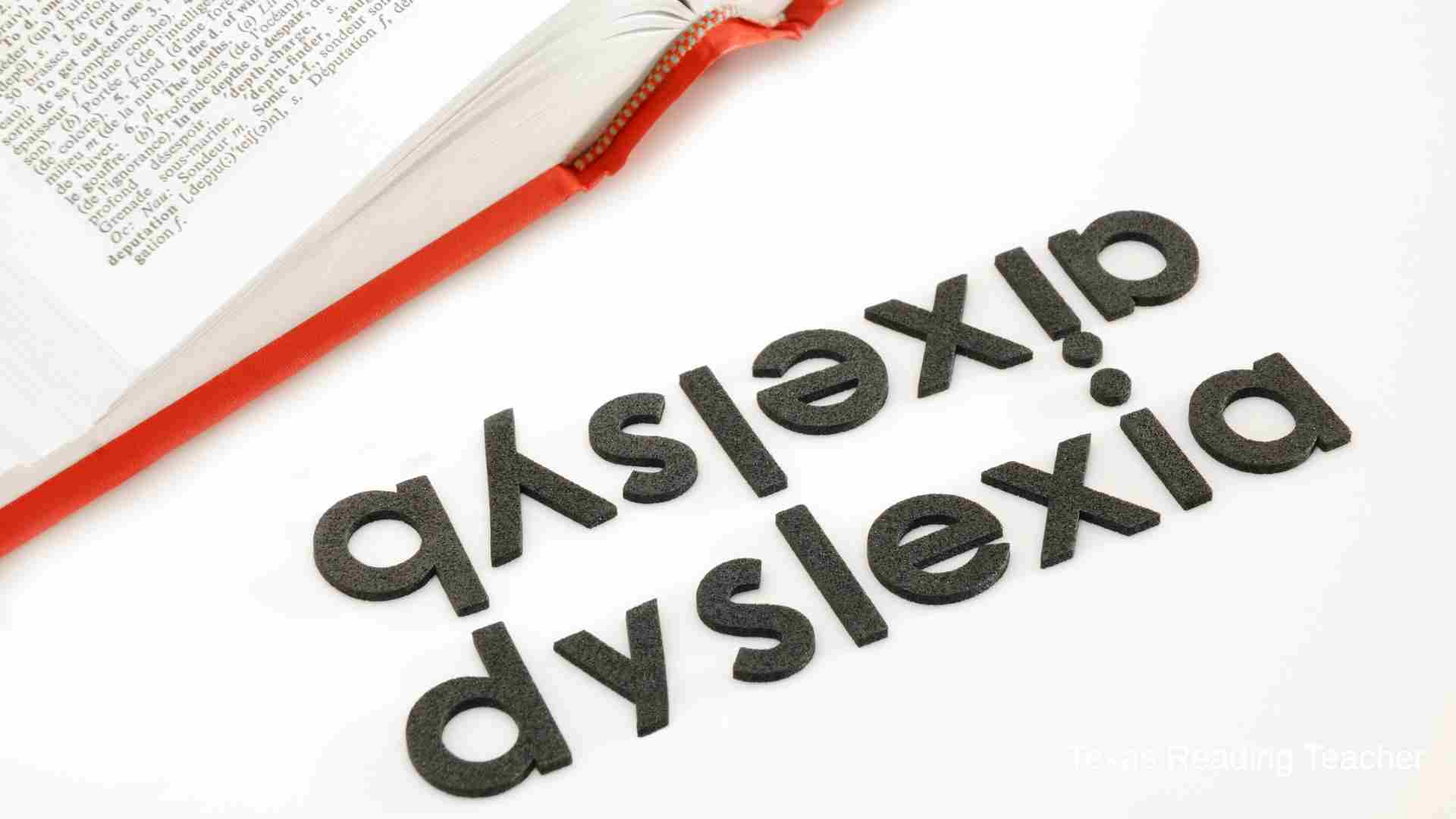
Dyslexia is among the most common learning disabilities, affecting approximately 5 to 17 percent of the population (Shaywitz, 2003). It is neurobiological in origin and is characterized by persistent difficulties with accurate and fluent word recognition, decoding unfamiliar words, and spelling. These difficulties are unexpected when considered in relation to an individual’s intelligence, motivation, and exposure to adequate instruction (Lyon, Shaywitz, & Shaywitz, 2003).
The consequences of dyslexia extend well beyond the mechanics of reading. Without timely intervention, these difficulties influence comprehension, academic progress, and socio-emotional development. Understanding both the primary characteristics and their secondary impacts is essential for educators, families, and policymakers.
Primary Characteristics of Dyslexia
The primary characteristics of dyslexia are most often observed in the areas of reading and spelling. While presentation varies across individuals, research consistently identifies several hallmark features.
Reading Words in Isolation
Students with dyslexia frequently struggle to recognize words in isolation. Unlike their typically developing peers, who store a growing number of sight words for instant retrieval, dyslexic learners often rely on inefficient letter-by-letter decoding (Shaywitz, 2003). This reliance makes reading laborious and error-prone.
Difficulty Decoding Unfamiliar Words
Deficits in phonological processing, the ability to manipulate and recognize sounds in spoken language, are a core feature of dyslexia (Snowling & Hulme, 2012). Because decoding depends heavily on phonological skills, students with dyslexia encounter particular difficulty when faced with novel or complex words.
Oral Reading Challenges
Oral reading is often slow, inaccurate, and labored. Students may omit words, substitute incorrect words, or struggle with prosody, which is the natural expression and rhythm of spoken reading (Torgesen et al., 2001). This lack of fluency impacts not only comprehension but also confidence in public reading settings.
Persistent Spelling Difficulties
Spelling presents ongoing challenges for individuals with dyslexia, even when progress is made in decoding. Orthographic processing deficits lead to phonetic spellings, letter reversals, and inconsistent spelling of the same word (Berninger, 2004). This difficulty often persists into adolescence and adulthood.
Variability Across Individuals
It is important to note that individuals with dyslexia do not present identically. Some may show profound impairment in decoding but relatively preserved comprehension, while others may struggle across all domains. The severity and combination of characteristics differ, emphasizing the need for individualized assessment (Pennington, 2009).
Secondary Consequences of Dyslexia
The initial challenges with word recognition and spelling give rise to a range of secondary consequences that shape academic achievement and personal development.
Reading Comprehension Deficits
Because so much cognitive energy is devoted to word recognition, students with dyslexia often experience difficulty with comprehension. They may understand material read aloud but fail to derive the same meaning when reading independently (Shankweiler et al., 1999). Meta-analyses confirm that comprehension deficits remain a significant barrier even after years of instruction (Snowling, 2013).
Limited Reading Experience
Keith Stanovich (1986) introduced the concept of the “Matthew Effect” in reading, where strong readers become stronger through practice while struggling readers fall further behind. Students with dyslexia, who avoid reading due to difficulty and frustration, accumulate less exposure to vocabulary, syntax, and background knowledge. This limited exposure contributes to a widening achievement gap.
Emotional and Motivational Impacts
Persistent academic struggles often result in emotional consequences. Students with dyslexia may experience lowered self-esteem, heightened anxiety, and feelings of frustration or shame (Alexander-Passe, 2006). Some cope by withdrawing from reading tasks altogether, further compounding the problem. The social stigma of reading aloud in front of peers can exacerbate these feelings.
Long-Term Academic and Occupational Outcomes
Without intervention, dyslexia can have enduring consequences. Adolescents and adults with dyslexia may read less efficiently, avoid higher education, or experience workplace challenges that require reading fluency (Ferrer et al., 2015). Early intervention can mitigate these risks, but late identification often leads to persistent difficulties.
Educational Implications and Interventions
Research consistently demonstrates that dyslexia cannot be remediated through whole-language or discovery-based approaches. Instead, evidence-based interventions are required.
Structured Literacy Approaches
Structured literacy is the gold standard for dyslexia intervention. It emphasizes explicit, systematic, and cumulative instruction in phonological awareness, phonics, fluency, vocabulary, and comprehension (Moats, 2020). Programs grounded in structured literacy have been shown to improve decoding and spelling outcomes significantly.
Building Fluency through Repeated Reading
Fluency instruction is particularly critical. The National Reading Panel (2000) found strong evidence that repeated oral reading with guidance and feedback improves both word recognition and comprehension. For dyslexic learners, structured fluency practice bridges the gap between decoding and meaningful comprehension.
Importance of Early Intervention
The earlier dyslexia is identified, the more effective intervention becomes. Neuroimaging studies demonstrate that targeted interventions can alter brain activity in reading circuits, particularly when delivered in the early grades (Shaywitz, 2003). Delays in intervention reduce the likelihood of closing the achievement gap.
Final Thoughts
Dyslexia is not simply a matter of poor reading ability but a complex neurobiological disorder that affects word recognition, decoding, and spelling. These primary difficulties lead to secondary consequences that influence comprehension, academic achievement, emotional well-being, and life outcomes.
By understanding the full range of characteristics and consequences, educators and families can advocate for timely assessment and evidence-based instruction. With structured literacy approaches and early, sustained intervention, students with dyslexia can achieve success in reading and beyond.
References
Alexander-Passe, N. (2006). How dyslexic teenagers cope: An investigation of self-esteem, coping and depression. Dyslexia, 12(4), 256–275. https://doi.org/10.1002/dys.318
Berninger, V. W. (2004). Understanding the graphia in developmental dysgraphia. Developmental Neuropsychology, 25(1–2), 1–6. https://doi.org/10.1207/s15326942dn2501&2_1
Ferrer, E., Shaywitz, B. A., Holahan, J. M., Marchione, K., Michaels, R., & Shaywitz, S. E. (2015). Achievement gap in reading is present as early as first grade and persists through adolescence. Journal of Pediatrics, 167(5), 1121–1125. https://doi.org/10.1016/j.jpeds.2015.07.045
Lyon, G. R., Shaywitz, S. E., & Shaywitz, B. A. (2003). Defining dyslexia, comorbidity, teachers’ knowledge of language and reading. Annals of Dyslexia, 53(1), 1–14. https://doi.org/10.1007/s11881-003-0001-9
Moats, L. C. (2020). Teaching reading is rocket science: What expert teachers of reading should know and be able to do (2nd ed.). Washington, DC: American Federation of Teachers.
National Reading Panel. (2000). Teaching children to read: An evidence-based assessment of the scientific research literature on reading and its implications for reading instruction. Washington, DC: National Institute of Child Health and Human Development.
Pennington, B. F. (2009). Diagnosing learning disorders: A neuropsychological framework (2nd ed.). New York, NY: Guilford Press.
Shankweiler, D., Lundquist, E., Katz, L., Stuebing, K. K., Fletcher, J. M., Brady, S., … & Shaywitz, S. E. (1999). Comprehension and decoding: Patterns of association in children with reading difficulties. Scientific Studies of Reading, 3(1), 69–94. https://doi.org/10.1207/s1532799xssr0301_4
Shaywitz, S. (2003). Overcoming dyslexia: A new and complete science-based program for reading problems at any level. New York, NY: Alfred A. Knopf.
Snowling, M. J. (2013). Early identification and interventions for dyslexia: A contemporary view. Journal of Research in Special Educational Needs, 13(1), 7–14. https://doi.org/10.1111/j.1471-3802.2012.01262.x
Snowling, M. J., & Hulme, C. (2012). Annual research review: The nature and classification of reading disorders—A commentary on proposals for DSM-5. Journal of Child Psychology and Psychiatry, 53(5), 593–607. https://doi.org/10.1111/j.1469-7610.2011.02495.x
Torgesen, J. K., Wagner, R. K., Rashotte, C. A., Burgess, S., & Hecht, S. (2001). Contributions of phonological awareness and rapid automatic naming ability to the growth of word-reading skills in second- to fifth-grade children. Scientific Studies of Reading, 1(2), 161–185. https://doi.org/10.1207/s1532799xssr0102_4f


