
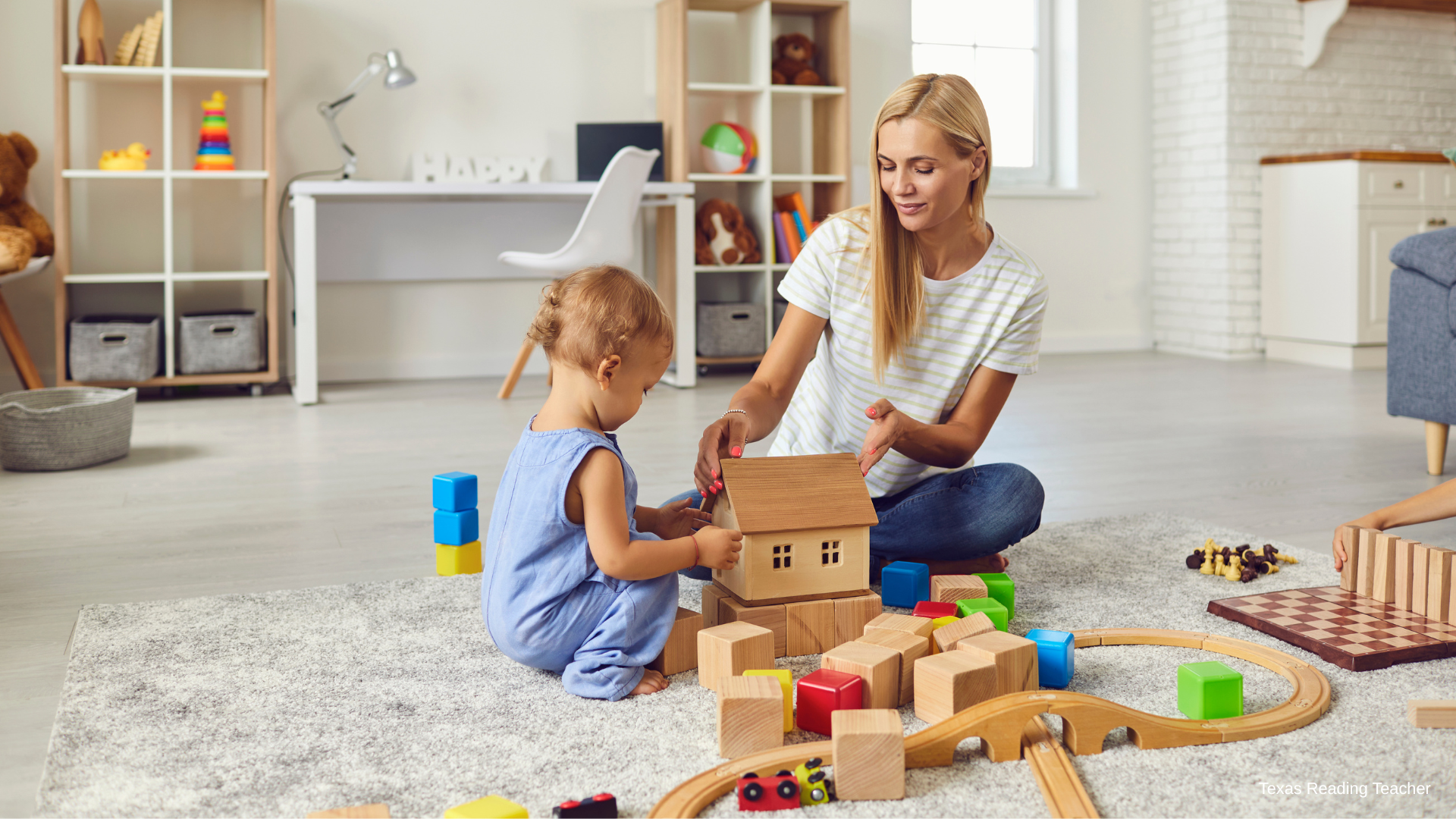
Unlock the door to literacy long before your child picks up a book. Discover the foundational skill that predicts reading success and how you can nurture it at home with simple, playful activities.
As a parent, you eagerly anticipate the moment your child begins to read. You fill their shelves with colorful books and read to them each night, hoping to ignite a lifelong love of stories. But what if one of the most crucial ingredients for reading success isn’t found in the pages of a book, but in the sounds of our spoken language?
Enter phonological awareness, a term you may have heard from teachers or other parents, and for good reason. It’s a foundational, pre-reading skill that has a profound impact on a child’s ability to learn to read and spell. In fact, numerous studies have shown that strong phonological awareness is one of the single best predictors of later reading success.
This guide will walk you through what phonological awareness is, why it’s so important, and how you can effortlessly and playfully build these essential skills in your child, setting them on the path to becoming a confident and capable reader.
What is Phonological Awareness?
At its core, phonological awareness is the ability to recognize and play with the sounds in spoken language. It’s an umbrella term that covers a range of auditory skills, all of which are done without any printed words. Think of it as developing a keen ear for the architecture of words.
These skills progress from larger, more obvious sound units to the smallest, most discrete sounds:
- Words: Recognizing individual words in a sentence.
- Rhyme: Identifying and creating words that sound alike.
- Syllables: Clapping or tapping out the “beats” in a word.
- Onset-Rime: Breaking a single-syllable word into its first sound (the onset) and the rest of the word (the rime). For example, in the word “cat,” the onset is /c/ and the rime is /at/.
- Phonemic Awareness: This is the most advanced and critical level of phonological awareness. It’s the ability to hear, identify, and manipulate the individual sounds, or phonemes, in a word. For instance, knowing that the word “mat” is made up of three distinct sounds: /m/, /a/, and /t/.
It’s important to note the difference between phonological awareness and phonics. While they are related, phonological awareness is all about the sounds we hear, while phonics connects those sounds to written letters. A child needs a strong foundation in phonological awareness to be able to make sense of phonics instruction later on.
Why is Phonological Awareness So Critical?
Imagine trying to build a house without understanding what bricks are. That’s what learning to read is like for a child with weak phonological awareness. Our written language is a code where letters and letter combinations represent sounds. To crack this code, a child must first be able to hear and understand the sounds themselves.
Strong phonological awareness allows children to:
Understand the Alphabetic Principle: This is the concept that letters represent sounds. A child who can hear the three separate sounds in “cat” is better equipped to understand that the letters c-a-t represent those sounds.
Decode Words: When a child encounters an unfamiliar word, they can use their phonological awareness skills to sound it out. Blending sounds together (/s/ /u/ /n/ becomes “sun”) is a direct result of this ability.
Improve Spelling: The ability to break a word down into its individual sounds (segmenting) is crucial for spelling. A child who can hear the sounds in a word can more easily represent those sounds with letters.
Build Reading Fluency: When a child can decode words more effortlessly, their reading becomes smoother and more expressive, which in turn aids comprehension.
Children with difficulties in phonological awareness often struggle with reading and may be at a higher risk for reading disabilities like dyslexia. The good news is that these skills can be taught and nurtured from a very young age.
A Timeline of Phonological Awareness: What to Expect and When
Children develop these skills at their own pace, but here’s a general timeline of what you might see:
Preschool (Ages 3-4)
At this stage, the focus is on the larger, more playful aspects of language:
Rhyming: Recognizing and producing rhyming words is a key milestone. They might be able to finish a rhyming phrase in a familiar book or song.
Alliteration: Noticing and enjoying words that start with the same sound (“Silly Sally sang a song”).
Syllable Awareness: Clapping out the syllables in their name or simple words.
Sentence Segmenting: Understanding that a sentence is made up of individual words.
Kindergarten (Ages 5-6)
As children enter kindergarten, their skills become more refined and move towards individual sounds:
Blending: Combining sounds to make a word (e.g., you say /p/ /i/ /g/ and they say “pig”).
Segmenting: Breaking a short word into its individual sounds.
Sound Identification: Identifying the beginning, middle, and ending sounds in a word.
Sound Manipulation: This is a more advanced skill where they can add, delete, or substitute sounds to make new words (e.g., “What word do you have if you change the /c/ in ‘cat’ to a /b/?”).
Fun and Easy Activities to
Build Phonological Awareness at Home
The best way to foster these skills is through fun, informal activities woven into your daily life. Here are some ideas for both preschoolers and kindergarteners:
For Your Preschooler (Ages 3-4):
Rhyme Time: Read rhyming books and pause to let them fill in the rhyming word. Say, “I’m thinking of a word that rhymes with ‘blue.’ You wear it on your foot… (shoe).”
Silly Sound Starters: Make up silly sentences where many of the words start with the same sound. “Billy bounced the big blue ball.”
Clap it Out: Clap the syllables in family members’ names, favorite foods, or objects around the house. “Let’s clap the word ‘banana’… ba-na-na!” (3 claps).
“I Spy” with a Twist: Instead of “I spy with my little eye something that is red,” try “I spy with my little eye something that starts with the sound /b/.”
For Your Kindergartener (Ages 5-6):
Sound Blending Guessing Game: Say the sounds of a word slowly and have your child guess the word. “I’m thinking of an animal… /d/ /o/ /g/.”
Robot Talk: Speak like a robot by breaking words into their individual sounds and have your child translate. “Can… you… get… the… /b/ /a/ /l/?”
Change-a-Word: Play with changing the sounds in words. “What happens if we take the /s/ off of ‘stop’?” (top). “What if we change the /a/ in ‘mat’ to an /i/?” (mit).
Sound Counting: Use small objects like pennies or blocks to represent the sounds in a word. For the word “fish,” they would put out three blocks for the three sounds: /f/ /i/ /sh/.
By incorporating these simple and playful activities into your routine, you are giving your child a powerful gift. You are tuning their ears to the sounds of language, laying a solid foundation for a future of confident reading and a lifelong love of learning. So, the next time you’re reading a rhyming book or singing a silly song, know that you’re doing more than just entertaining your child, you’re building a reader.


Leave a Reply