
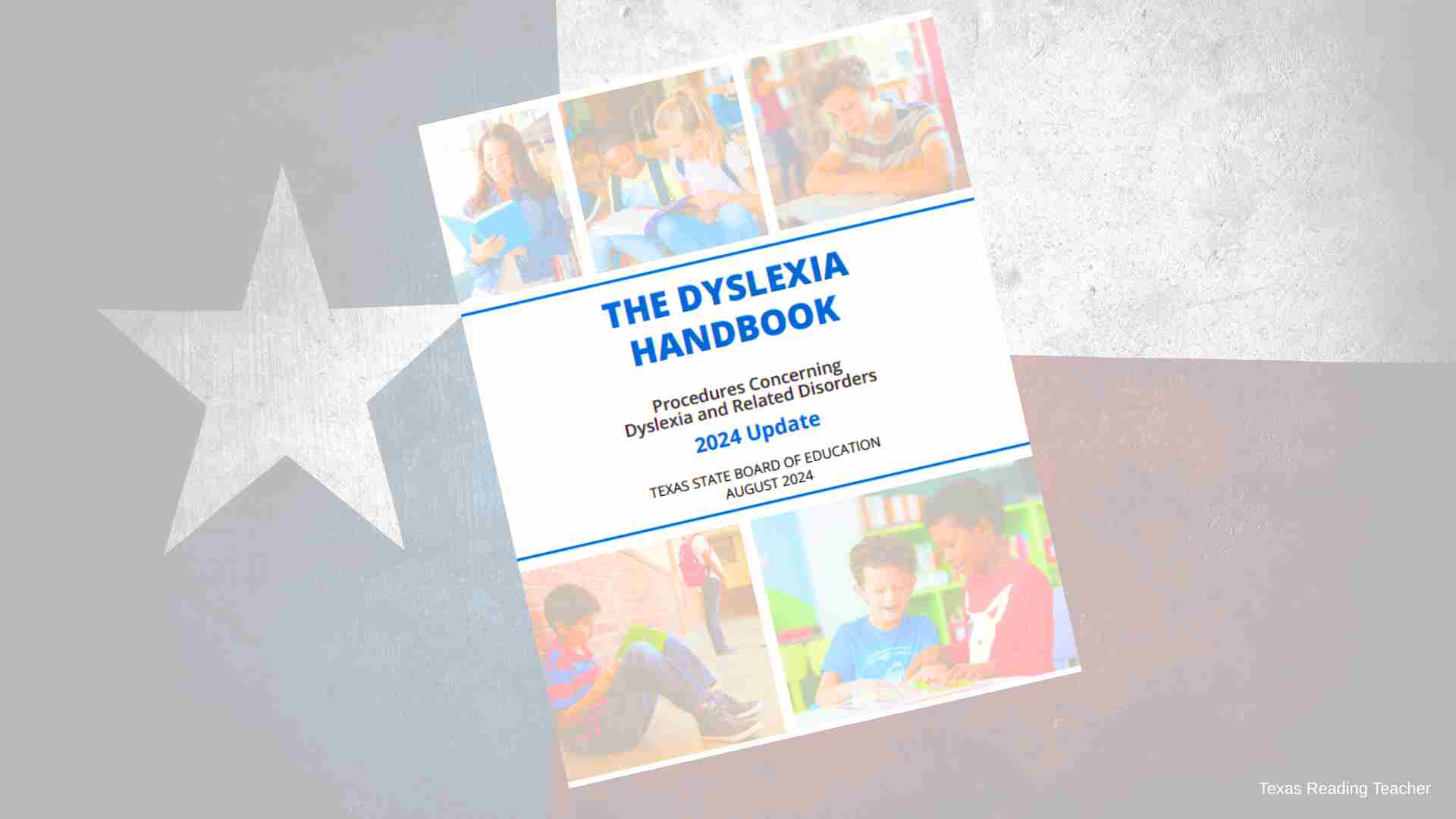
The 2024 update to the Texas Dyslexia Handbook: Procedures Concerning Dyslexia and Related Disorders reflects the most recent legislative and procedural changes in how Texas public schools identify and support students with dyslexia. This edition provides school districts, educators, and families with clear, legally aligned expectations grounded in current research and law.
Understanding and following the updated guidance ensures that students with dyslexia receive appropriate instruction and services while protecting their educational rights under Texas law and the Individuals with Disabilities Education Act (IDEA).
Reading Proficiency Begins Early
Reading is the foundation for all formal education. Students who do not learn to read well in the early years often struggle in other subjects and fall behind their peers. Texas public schools are required to identify reading difficulties early through mandated screenings in kindergarten and first grade. These screenings are designed to flag students who may be at risk for dyslexia or related disorders, allowing for earlier intervention and greater academic success.
Comprehensive Evaluation Requirements
The 2024 update clarifies the process for evaluation. If a student is suspected of having dyslexia, the local education agency must refer the student for a Full Individual and Initial Evaluation (FIIE) under IDEA. This referral must occur if the student is suspected of having a disability and needs special education services.
The multidisciplinary team conducting the evaluation must include a professional with expertise in the reading process, dyslexia and related disorders, and dyslexia instruction. Evaluation data must address academic achievement, cognitive processing, phonological awareness, memory, rapid naming, and other relevant factors. The use of a single test or score is not sufficient to determine eligibility.
Dyslexia Instruction Is Specially Designed Instruction
One of the most significant clarifications in the 2024 edition is that dyslexia instruction, when provided through an Individualized Education Program (IEP), is defined as specially designed instruction under IDEA. This designation ensures that the services are tailored to meet the individual needs of the student and are delivered by appropriately trained educators.
Instruction for students with dyslexia must be explicit, systematic, cumulative, and multisensory. It must follow a well-organized scope and sequence and be delivered with sufficient intensity. Programs that align with these requirements include Reading by Design, Take Flight, Wilson Reading System, and similar structured literacy programs supported by the Science of Teaching Reading.
Parent Rights and Protections
Parents play an essential role in the evaluation and service delivery process. Schools are required to inform parents of their rights, provide them with the Notice of Procedural Safeguards, and obtain written consent before proceeding with evaluations. Parents may request an evaluation at any time if they suspect their child has a disability.
The 2024 update emphasizes the importance of timely communication with families and requires schools to provide clear information regarding evaluation results, eligibility, and instructional plans. Parents must be involved in every step of the decision-making process.
Required Educator Training
Teachers and interventionists providing dyslexia instruction must be trained in identifying dyslexia, understanding its characteristics, and delivering effective reading intervention. The 2024 handbook reinforces the need for high-quality, evidence-based professional development aligned with the principles of structured literacy.
Districts must ensure that staff working with students with dyslexia are equipped to deliver the instruction described in the student’s IEP or Section 504 plan. Training must include knowledge of the reading brain, the components of effective reading instruction, and the structured, sequential methods required for dyslexia intervention.
Accountability and Monitoring
The Texas Education Agency (TEA) expects districts to implement the 2024 procedures with fidelity. Ongoing monitoring, documentation, and compliance checks are part of ensuring that students with dyslexia receive the services to which they are entitled. School boards, superintendents, and special education directors must work together to align district policies with the updated handbook.
Final Thoughts
The 2024 Texas Dyslexia Handbook provides clarity, accountability, and high standards for supporting students with dyslexia in public schools. With a renewed emphasis on early identification, legal compliance, and effective instruction, this update ensures that every student with dyslexia in Texas receives the specialized instruction they need to thrive.
Parents, educators, and administrators should review the full 2024 handbook to ensure alignment with current practices. The latest version is available on the Texas Education Agency website.
https://tea.texas.gov/academics/special-student-populations/special-education/texas-dyslexia-handbook.pdf


Leave a Reply