
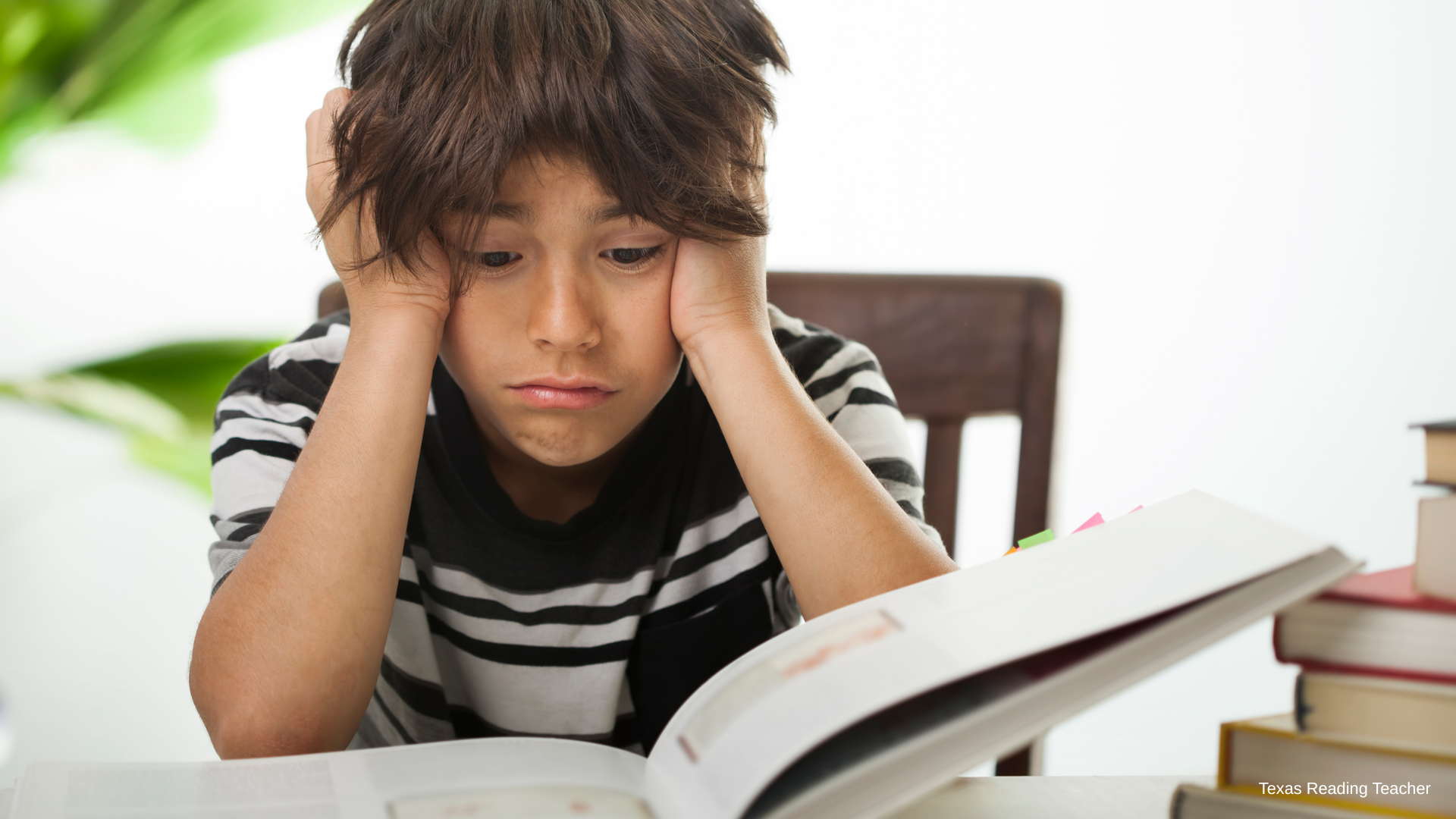
Reading can be a challenge for some children, even with great instruction and support. When a child struggles to read, it is important to understand why. Not all reading difficulties are the same. In fact, there are different types of reading challenges that impact children in unique ways.
Let’s break down the most common types of reading challenges, what they look like, and how we can help.
Dyslexia
What it is:
Dyslexia is the most well-known reading challenge. It is a neurological condition that makes it hard to connect letters to sounds. Children with dyslexia struggle with decoding, spelling, and fluent reading.
What it looks like:
- Trouble sounding out words
- Slow, labored reading
- Frequent spelling errors
- Difficulty remembering sight words
How to help:
Structured literacy programs that teach phonemic awareness, phonics, and decoding skills in a systematic way are key. Children with dyslexia often need direct, explicit instruction with lots of practice.
Specific Reading Comprehension Challenge
What it is:
Some children can read words correctly but have trouble understanding what they read. This is known as a reading comprehension challenge. The issue is not with decoding, but with making meaning from text.
What it looks like:
- Reads fluently but cannot answer questions about the story
- Struggles to follow multi-step directions
- Has difficulty summarizing or retelling what was read
How to help:
Focus on building vocabulary, background knowledge, and strategies like predicting, questioning, and summarizing. Oral language development and listening comprehension activities can also support growth.
Hyperlexia
What it is:
Hyperlexia is when a child can decode words at an early age but struggles with comprehension and language. These children often read above grade level but do not understand what they read.
What it looks like:
Advanced word reading skills
Poor understanding of the meaning
Social communication challenges may be present
How to help:
Use explicit teaching of comprehension strategies, social language support, and visual aids. Pair reading with discussion to build deeper understanding.
4. Mixed Reading Challenge
What it is:
A mixed reading challenge includes both decoding problems and comprehension difficulties. These students face challenges in multiple areas of reading.
What it looks like:
Difficulty sounding out words
Trouble understanding what they read
Slow reading pace
Struggles across all academic areas
How to help:
Students with mixed reading challenges need intensive support that targets decoding, fluency, vocabulary, and comprehension all at once. A structured, multi-sensory approach is essential.
Why This Matters
Understanding the type of reading challenge a child has can lead to better support. No two struggling readers are exactly alike. With the right tools and teaching, children with reading challenges can become strong, confident readers.
Key Takeaways:
Dyslexia: Struggles with decoding and fluency.
Reading Comprehension Challenge: Trouble understanding what is read.
Hyperlexia: Strong decoding but weak comprehension.
Mixed Reading Challenge: Challenges with both decoding and comprehension.
Final Thought
Early identification and targeted intervention make a big difference. If you suspect a reading challenge, seek professional evaluation and support right away.


Leave a Reply