
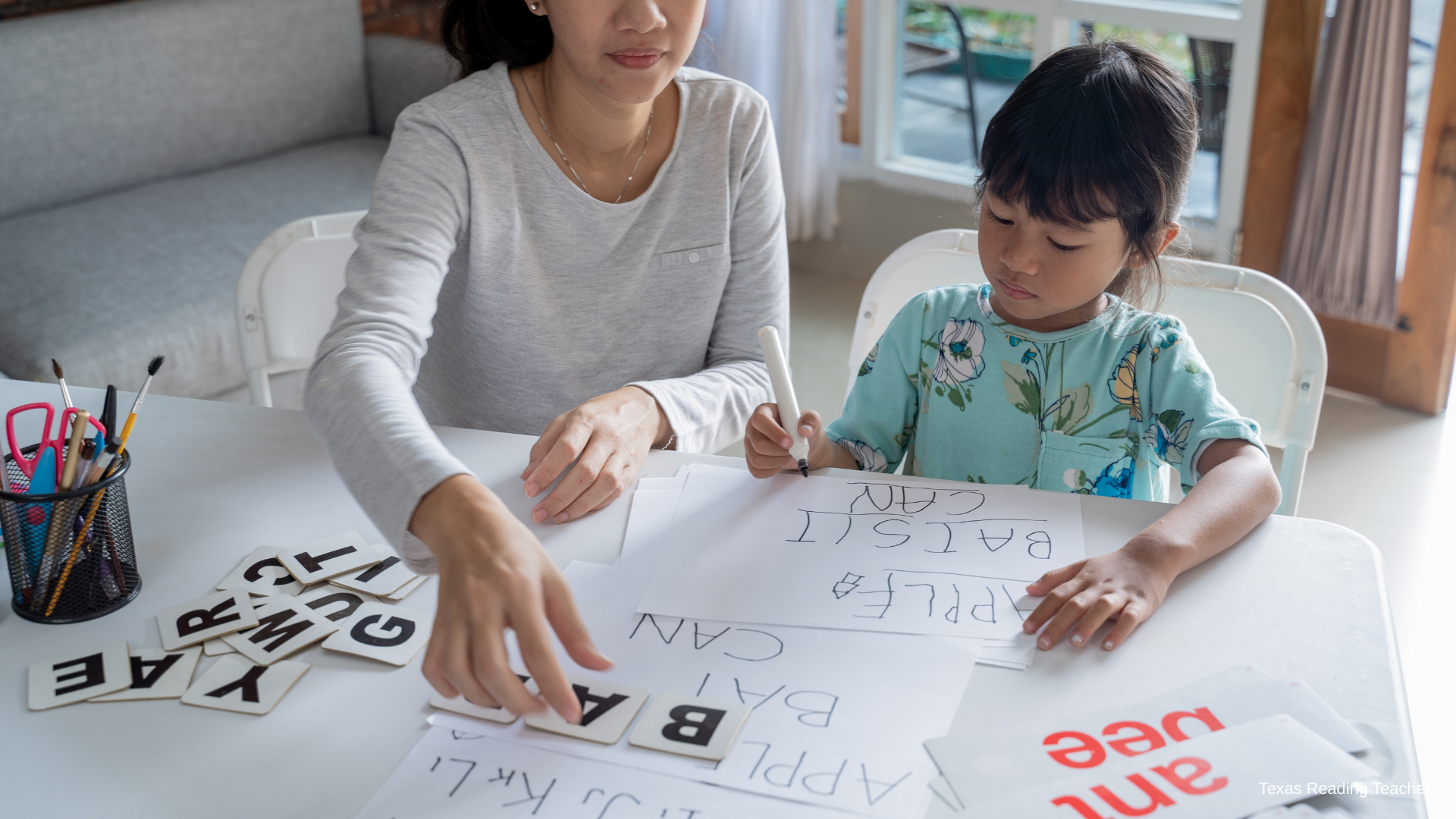
When children are learning to read, one of the most common strategies teachers and parents encourage is sounding out words. But why does this method work? And how can we support children as they build this skill?
Let’s break it down.
Why Sounding It Out Works
Sounding out is more than just a reading trick, it’s a brain-based strategy that helps children unlock the written code of language.
When a child sounds out a word:
- They are connecting letters to sounds.
- They are actively working through the process of decoding.
- They are strengthening their phonemic awareness (the ability to hear and manipulate sounds).
Over time, sounding out helps the brain store words for instant recognition. This process is called orthographic mapping. The more a child successfully sounds out words, the more quickly those words become “sight words” that the brain can recognize without effort.
Sounding Out Builds Strong Readers
Children who sound out words:
- Become better spellers.
- Build a stronger memory for words.
- Develop reading fluency and comprehension over time.
Skipping the sounding out step can cause readers to guess, memorize incorrectly, or miss important patterns in language.
How to Support Sounding It Out
Parents and teachers can make a big difference by using these simple strategies:
1. Be Patient
Sounding out is slow at first. Resist the urge to jump in too quickly. Give your child time to think through the sounds.
2. Model the Process
Show how you sound out tricky words. Break the word into small parts and blend the sounds together.
Example:
“Let’s try this word together: /c/ /a/ /t/… cat!”
3. Use Your Finger
Encourage your child to point to each letter as they say the sounds. This helps them connect the sounds to the letters in order.
4. Praise the Effort
Even if they get the word wrong, praise the process. You might say:
“I love how you tried to sound that out. Let’s try it again together.”
5. Provide Decodable Books
Use books that match your child’s phonics level. Decodable books give plenty of opportunities to practice sounding out words that follow phonics rules.
Final Thoughts
Sounding out words is essential for building strong, independent readers. It’s not about reading fast, it’s about developing the brain’s ability to decode and eventually recognize words automatically.
When we support children as they sound out words, we’re giving them the tools to become confident, lifelong readers.


Leave a Reply