
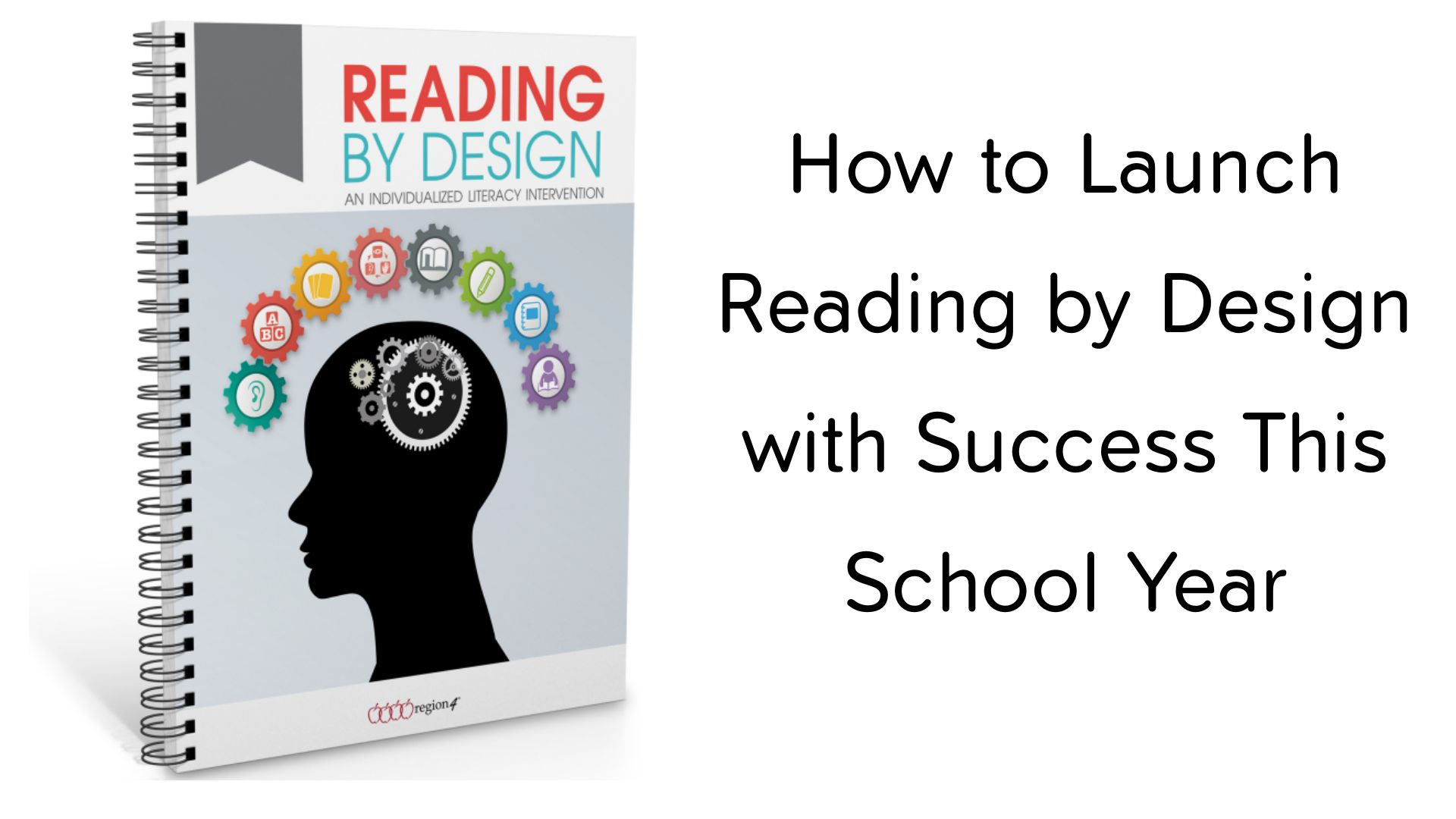
The beginning of the school year offers a fresh opportunity to make a meaningful impact on students who struggle with reading. For educators using Reading by Design, launching the program effectively is essential to student success. Rooted in the Science of Teaching Reading and aligned with the Texas Dyslexia Handbook, Reading by Design is a multisensory, explicit, and systematic intervention program designed to meet the needs of students with dyslexia and other reading difficulties. Whether you are new to the program or returning for another year, careful planning and thoughtful implementation will set the tone for a productive year.
This guide outlines best practices, essential steps, and helpful tips to ensure a successful launch of Reading by Design in your classroom or intervention setting.
1. Prepare Your Materials and Environment
Before your first session, take time to organize your instructional materials. Each Reading by Design lesson follows a consistent format and requires specific tools, including letter tiles, sound walls, sand trays, mirror cards, and student consumables.
Checklist:
Teacher edition and student workbooks
Multisensory materials such as textured surfaces, magnetic letters, and whiteboards
Alphabet arc, sound wall, and anchor charts
Data tracking binder and fidelity checklists
According to Moats (2020), a well-prepared environment reduces cognitive load for both teachers and students, allowing for more effective learning.
2. Review the Scope and Sequence
Understanding the scope and sequence of Reading by Design is critical to long-term planning. Each volume builds systematically from phonological awareness and phonics to spelling, fluency, and comprehension. Lessons are designed to be taught sequentially without skipping or combining content.
Tip: Use your district’s pacing guide if available, or create a projected calendar based on the number of sessions you will offer weekly. Consistent pacing matters. Research by Denton et al. (2013) emphasizes that students with dyslexia make the most progress when provided with structured intervention at least four times per week.
3. Establish a Consistent Schedule
Daily intervention is ideal, but even with limited scheduling flexibility, consistency is key. Set a fixed time for your Reading by Design sessions and protect it from interruptions.
Strategies to consider:
Coordinate with classroom teachers to minimize scheduling conflicts
Communicate clearly with administration about the importance of uninterrupted time
Group students with similar instructional needs to maximize instructional effectiveness
Students thrive when they can anticipate a structured routine. According to the International Dyslexia Association (IDA), consistency in lesson delivery leads to improved student outcomes and stronger retention of skills.
4. Build Relationships from the Start
Although the program is highly structured, relationships remain central to student motivation and engagement. Spend the first few sessions setting clear expectations and building rapport.
Ideas to implement:
Begin each lesson with a personal check-in
Celebrate small wins and growth in effort, not just mastery
Help students understand why they are receiving intervention and how it will help them
Educator John Hattie’s research on visible learning highlights that teacher-student relationships have an effect size of 0.72, which is considered highly impactful on student achievement (Hattie, 2017).
5. Teach with Fidelity but Stay Flexible
Reading by Design is scripted for a reason. Fidelity ensures that students receive the evidence-based instruction they need. However, flexibility within the routine can support student understanding.
Best practices:
Follow the script closely but use your professional judgment to provide additional practice when needed
Allow time for students to master concepts before progressing
Take anecdotal notes during each session to track areas of difficulty
In a study by Vaughn et al. (2016), intervention groups that implemented programs with high fidelity demonstrated significantly greater gains in decoding and spelling.
6. Assess, Reflect, and Adjust
Progress monitoring is embedded in Reading by Design, with regular mastery checks and lesson reviews. These checkpoints are not only for students, but also for teachers to evaluate instruction.
Actions to take:
Analyze error patterns and reteach as needed
Maintain ongoing documentation of progress
Communicate regularly with classroom teachers and parents about student growth
Texas Education Agency guidance recommends progress monitoring every two to three weeks for students receiving dyslexia intervention, particularly during the first semester.
7. Collaborate with Colleagues
You are not alone in your implementation. Leverage your campus dyslexia team, instructional coaches, and fellow interventionists.
Ways to collaborate:
Schedule monthly data reviews or instructional strategy meetings
Share supplemental resources that support multisensory learning
Observe one another’s lessons for feedback and encouragement
According to the National Center for Intensive Intervention (NCII), collaboration among intervention teams leads to greater instructional alignment and improved student support.
8. Celebrate Growth, Not Just Benchmarks
Students with dyslexia often require repeated practice and may progress more slowly. Emphasize the importance of perseverance and celebrate every step forward.
Suggestions:
Track completed lessons and set milestones (e.g., “You’ve finished Volume 1!”)
Use certificates or stickers to mark achievements
Invite students to reflect on what they are learning
Positive reinforcement builds confidence and strengthens the learner’s mindset. A growth-focused approach, as discussed by Carol Dweck (2006), supports motivation and resilience in struggling readers.
Final Thoughts
Launching Reading by Design with success is not just about following a curriculum. It is about creating a safe, structured, and nurturing learning environment where students can unlock the power of reading. Your preparation, professionalism, and persistence make all the difference. As we begin this new school year, may we commit ourselves to excellence in instruction and compassion in practice.
Your role matters. Your students are counting on you. And with Reading by Design as your guide, they will make progress one lesson at a time.
References:
Moats, L. C. (2020). Speech to Print: Language Essentials for Teachers (3rd ed.). Paul H. Brookes Publishing.
Denton, C. A., Tolar, T. D., Fletcher, J. M., Barth, A. E., & Vaughn, S. (2013). Effects of Tier 3 Intervention for Students With Persistent Reading Difficulties and Characteristics of Inadequate Responders. Journal of Educational Psychology, 105(3), 633–648.
Hattie, J. (2017). Visible Learning: A Synthesis of Over 800 Meta-Analyses Relating to Achievement. Routledge.
Vaughn, S., Wanzek, J., Murray, C. S., Scammacca, N., Linan-Thompson, S., & Woodruff, A. (2016). Response to Intervention for Middle School Students With Reading Difficulties: Effects of a Primary and Secondary Intervention. School Psychology Review, 45(1), 3–17.
Dweck, C. (2006). Mindset: The New Psychology of Success. Random House.
International Dyslexia Association. (2019). Knowledge and Practice Standards for Teachers of Reading.
Texas Education Agency. (2021). Dyslexia Handbook: Procedures Concerning Dyslexia and Related Disorders.


Leave a Reply