
Helping your child learn to read starts with building phonics skills. Phonics is the connection between letters and sounds. When children understand phonics, they can sound out words and become confident, independent readers.
The good news? Parents can support phonics at home with simple, fun activities. Here are 10 easy phonics ideas you can try today.
1. Sound Hunts
Pick a letter sound and go on a sound hunt around your home.
Example: “Let’s find things that start with the /b/ sound.”
Look for objects like a ball, book, or banana.
This builds sound awareness in a playful way.
2. I Spy with Sounds
Play “I Spy” using letter sounds instead of letter names.
Example: “I spy something that starts with /s/.”
Your child might guess sock, spoon, or soap.
This activity strengthens listening skills.
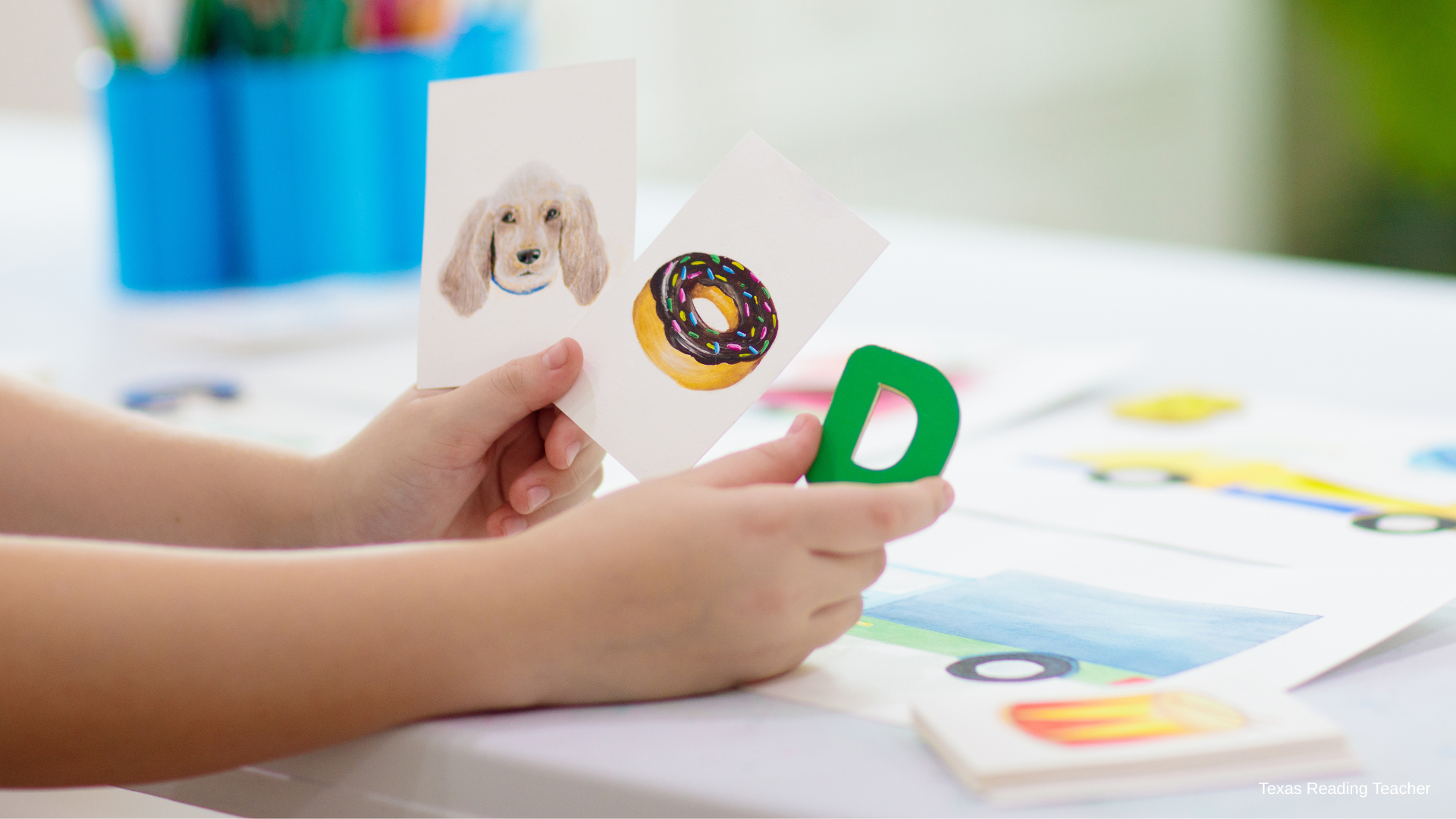
3. Letter-Sound Flashcards
Practice matching letters to sounds with flashcards.
Start with sounds your child knows and slowly add new ones.
Mix them up so your child learns to recognize sounds in any order.
Keep practice short and fun.
4. Build Words with Magnetic Letters
Use magnetic letters on the fridge or a cookie sheet.
Start with simple words like cat and dog.
Switch one letter to make new words: cat → hat → hot → hop.
This teaches how sounds can change words.
5. Say It, Tap It, Write It
Help your child break words into sounds.
Say the word: cat
Tap each sound: /c/ – /a/ – /t/
Write the word while saying the sounds.
This connects listening, speaking, and writing.
6. Read Decodable Books
Decodable books match your child’s phonics level.
These books help children practice sounding out words they can read.
Decodable books build fluency and confidence.
Look for books that focus on specific letter-sound patterns.
7. Clap the Sounds
Say a word slowly and have your child clap for each sound.
Example: “dog” would be three claps: /d/ – /o/ – /g/
This builds sound segmentation skills, which are key for reading.
8. Rhyming Games
Ask your child to find rhyming words.
Example: “What rhymes with cat?”
Answers: hat, bat, mat.
You can also read rhyming books together to make it more fun.
9. Sidewalk Chalk Phonics
Practice writing letters and simple words with sidewalk chalk.
You can call out a sound, and your child can jump to the correct letter.
Outdoor phonics practice keeps learning exciting.
10. Playdough Letters
Use playdough to shape letters and build simple words.
This hands-on activity helps children remember letter shapes and sounds.
It’s a great way to combine learning and play.
Final Tip: Keep Phonics Practice Fun
The best way to support phonics at home is to keep activities playful and positive.
Short, simple sessions work best. When you make phonics fun, your child builds confidence and develops a love for reading.


Leave a Reply