
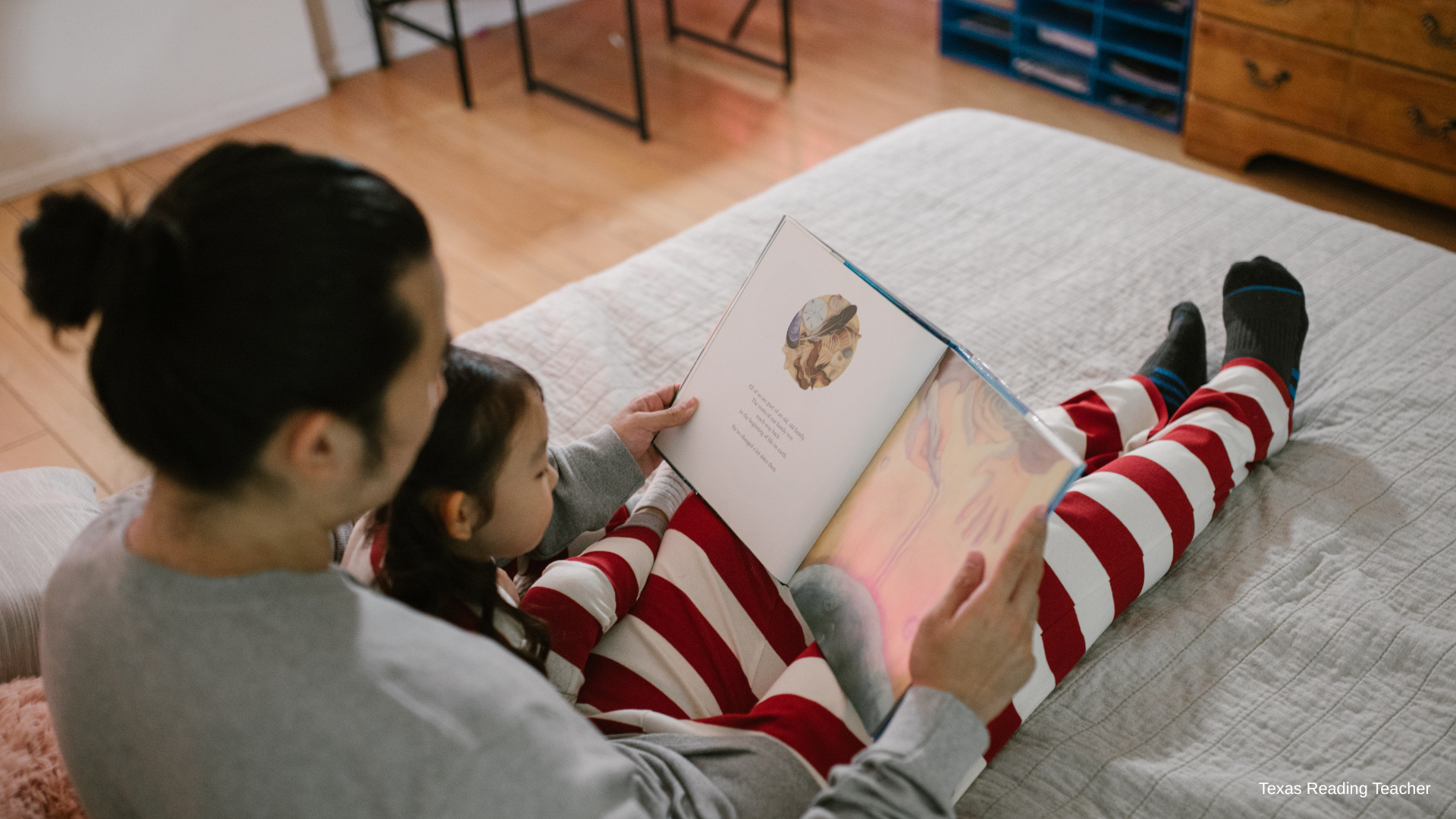
The journey to becoming a confident reader begins long before a child can decipher their first word. This foundational stage, known as pre-reading, is a critical period of development where children acquire the essential skills that will pave the way for literacy. By nurturing these skills, you can empower your child to step into kindergarten with confidence and a readiness to embrace the world of reading.
But what exactly is pre-reading? It’s not about pushing flashcards and drills. Instead, it’s a playful and interactive process of building a strong foundation in language and print awareness. Think of it as gathering all the necessary tools before starting a big project. A child who has developed these pre-reading skills will have a significant advantage when formal reading instruction begins. This early start is a powerful predictor of future academic success and a lifelong love of learning.
So, how can you help your little one embark on this exciting journey? Here are five key pre-reading skills to focus on before they enter kindergarten.
1. Phonological Awareness: The Ability to Hear the Sounds in Language
Before children can read words, they need to be able to hear the smaller sounds that make up those words. This is phonological awareness. It’s the ability to recognize and play with the sounds in spoken language. This skill is a cornerstone of learning to read.
You can foster phonological awareness through fun and simple activities:
Rhyming Fun: Read rhyming books and sing rhyming songs. Play games where you say a word and your child has to come up with a rhyming word. For example, “What rhymes with ‘cat’?”
Clapping Syllables: Help your child clap out the syllables in their name and other familiar words. “Let’s clap the parts in ‘el-e-phant’!”
Sound Sleuths: Say a series of words and ask your child to identify the one that starts with a different sound. For instance, “ball, bat, cup, boat.”
2. Print Awareness:
Understanding How Books and Print Work
Print awareness is the understanding that written words have meaning and follow certain rules. It’s about recognizing that the squiggles on a page represent spoken language. Children with strong print awareness understand how to hold a book, that we read from left to right and top to bottom, and that the words on the page are what we read.
Here’s how to build print awareness:
Make Reading a Daily Ritual: Read to your child every day. As you read, run your finger under the words to show that you are reading the text, not just talking about the pictures.
Point it Out: Talk about the parts of a book, such as the cover, title, and author. Point out print in your everyday environment, like on street signs, cereal boxes, and toy packaging. This is often called “environmental print.”
Let Them “Read”: Encourage your child to “read” their favorite books to you, even if they are just telling the story from the pictures. This builds a sense of confidence and familiarity with books.
3. Letter Knowledge:
Recognizing the Building Blocks of Words
While memorizing the entire alphabet isn’t the sole focus of pre-reading, recognizing letters is an important piece of the puzzle. Letter knowledge involves knowing the names of the letters and the sounds they make.
Nurture letter knowledge with these playful ideas:
Alphabet Fun: Sing the alphabet song, read alphabet books, and play with magnetic letters on the refrigerator.
Focus on Their Name: A child’s own name is a powerful and motivating starting point for learning letters. Help them recognize the letters in their name.
Letter Hunts: Go on a “letter hunt” in a book or around the house, looking for a specific letter.
4. Vocabulary: Building a Rich Word Bank
A broad vocabulary is a significant advantage when it comes to reading comprehension. The more words a child knows, the easier it will be for them to understand the stories they will eventually read.
Expand your child’s vocabulary naturally:
Talk, Talk, Talk: Engage in frequent conversations with your child. Talk about what you are doing, what you see, and what they are interested in.
Introduce New Words: When you read books, don’t shy away from stories that use interesting and less common words. Explain what new words mean in a simple and age-appropriate way.
Tell Stories: Share stories about your day, your childhood, or make up silly tales together. This exposes them to a wider range of words and sentence structures.
5. Narrative Skills: The Art of Storytelling
Narrative skills, or oral language skills, are about being able to understand and tell stories. A child who can retell a simple story in their own words is developing crucial comprehension skills. This ability to understand story structure, a beginning, a middle, and an end, is vital for making sense of what they will read.
Develop your child’s narrative skills through these activities:
Ask “Wh” Questions: After reading a story, ask questions like, “Who were the main characters?” “Where did the story take place?” and “What happened at the end?”
Picture the Story: Look at a wordless picture book and have your child create their own story based on the illustrations.
Act It Out: Use puppets or toys to act out favorite stories. This encourages them to think about the sequence of events and the characters’ motivations.
By weaving these simple and enjoyable activities into your daily routine, you can provide your child with a powerful head start on their reading journey. Remember, the goal of pre-reading is not to have a fluent reader before kindergarten, but to cultivate a love for stories and a readiness to learn.


Leave a Reply