
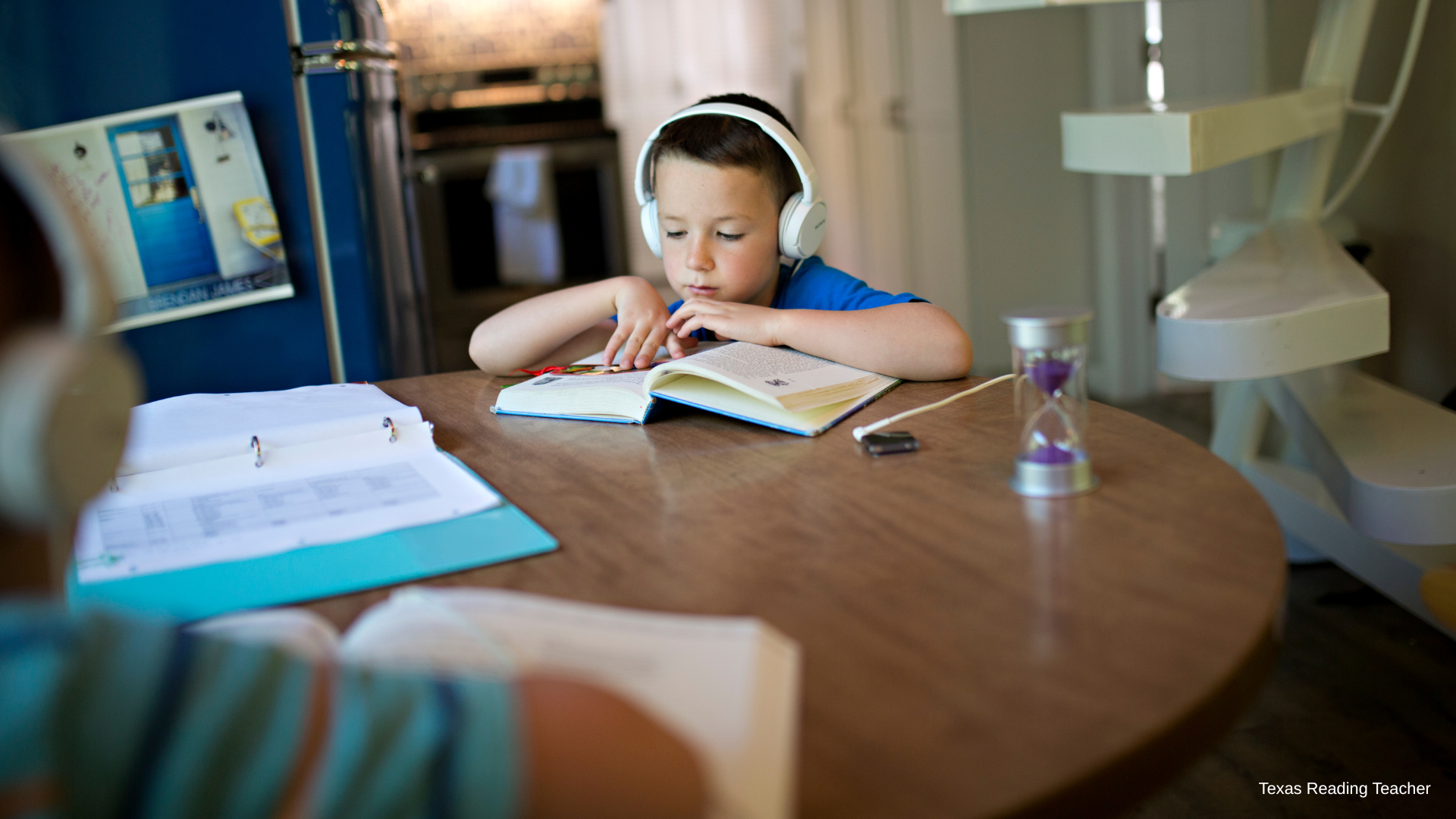
If you’ve ever wondered whether listening to an audiobook “counts” as reading, you’re not alone. Some parents question whether their child is truly benefiting from audiobooks the same way they would from traditional reading. The answer is yes, listening to audiobooks does count as reading, and it offers real academic and cognitive benefits.
Audiobooks Build Language and Vocabulary Skills
Audiobooks expose children to rich language, complex sentence structures, and expressive storytelling. Just like being read to by a parent or teacher, listening to skilled narrators helps students hear proper pronunciation, pacing, and fluency. This auditory exposure supports vocabulary development and strengthens listening comprehension, which is foundational for later reading success.
Audiobooks Support Struggling Readers
For children with reading difficulties such as dyslexia, audiobooks remove the barriers of decoding and allow them to access age-appropriate content. This keeps them engaged with stories and information that match their interests and intellectual level. When decoding is a challenge, audiobooks allow students to still build background knowledge, develop comprehension strategies, and enjoy literature.
Audiobooks Encourage a Love of Stories
Some children are auditory learners who connect more deeply with spoken language. Audiobooks can hook reluctant readers by offering an immersive experience that captures their imagination. When children enjoy stories—whether through print or audio, they are more likely to see reading as a positive and rewarding activity.
Audiobooks Support Multitasking and Flexibility
Audiobooks fit into busy family routines. Children can listen during car rides, while drawing, or during quiet time at home. This flexibility allows more exposure to language and stories throughout the day, especially in households where reading aloud every night may not be feasible.
Audiobooks Reinforce Comprehension
Studies show that listening to audiobooks activates many of the same regions of the brain as reading print. Children are still practicing key comprehension skills such as making inferences, predicting outcomes, and analyzing characters and themes. Discussing audiobooks with your child can deepen these skills and promote meaningful conversations.
Final Thoughts
Listening to audiobooks is a valid, valuable, and research-supported form of reading. While it shouldn’t replace all independent reading, it can be an excellent addition to your child’s literacy diet. Whether your child is a strong reader or faces reading challenges, audiobooks open doors to learning, imagination, and lifelong love of stories.


Leave a Reply