
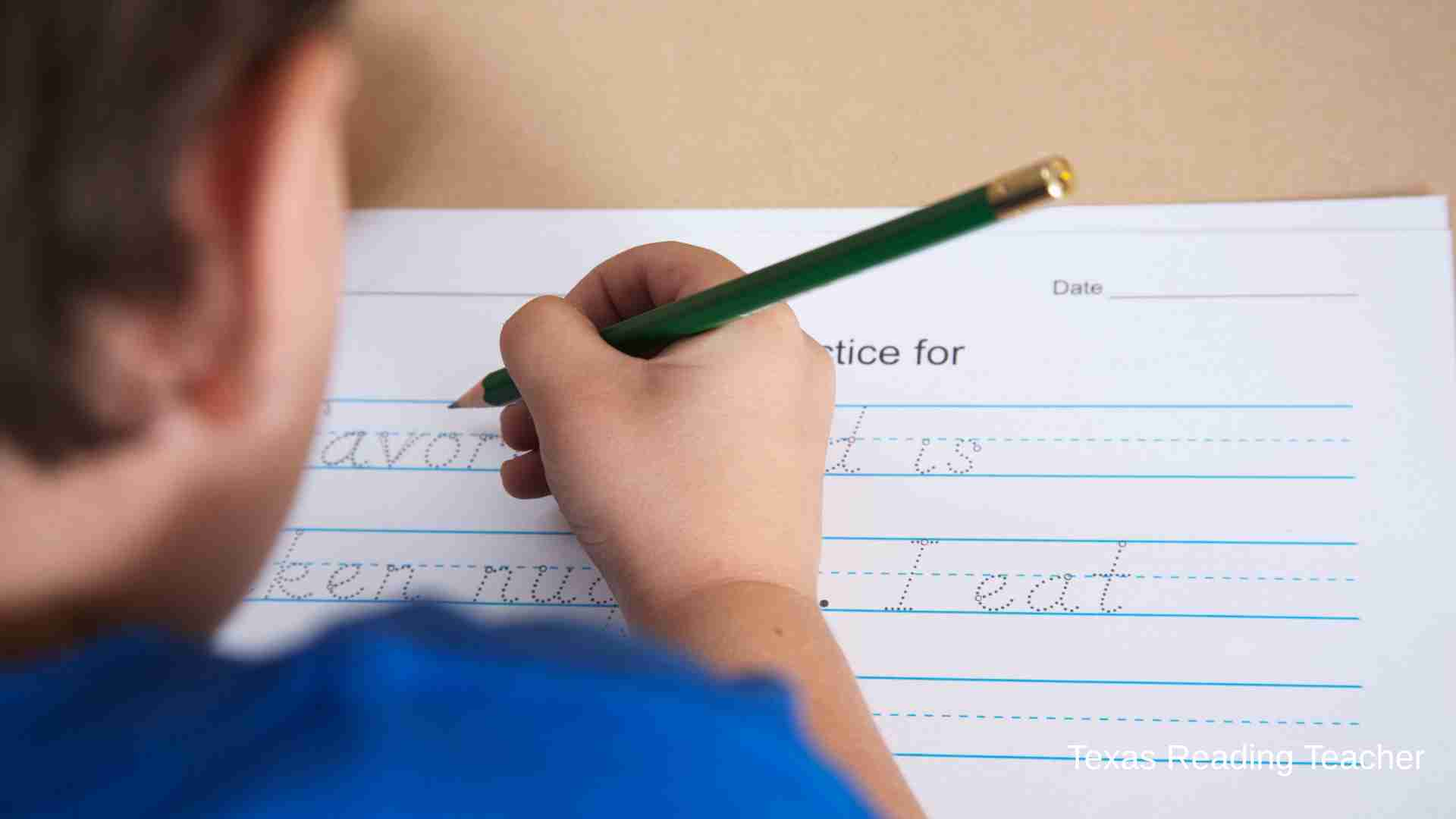
Dysgraphia is a neurological learning disorder that affects written expression. It is not simply “messy handwriting” but a recognized disability that interferes with a student’s ability to produce written work that reflects their true knowledge and skills. When students struggle with handwriting, spelling, and organizing ideas on paper, they may be experiencing more than typical developmental delays. Recognizing the characteristics of dysgraphia is essential for early identification and intervention.
Key Characteristics of Dysgraphia
Research and professional guidance outline several common signs of dysgraphia that may appear in children beyond the early stages of writing instruction:
- Variably shaped and poorly formed letters. Students may produce letters that are inconsistent in size and shape, often making their handwriting difficult to read.
- Excessive erasures and cross-outs. Frequent corrections suggest difficulty with motor planning and letter formation.
- Poor spacing between letters and words. Uneven spacing can cause written work to appear crowded or disorganized.
- Letter and number reversals. While reversals are common in early writing development, persistence beyond the primary grades can indicate dysgraphia.
- Awkward or inconsistent pencil grip. Students may hold a pencil in an unusual manner or shift their grip frequently, which impacts control.
- Heavy pressure and hand fatigue. Pressing too hard on the paper often results in smudges, torn pages, or complaints of hand pain.
- Slow writing and copying. Students may produce written work at a significantly slower pace than peers, and the legibility may vary from assignment to assignment.
These indicators collectively point to a motor-based writing disorder rather than a simple lack of practice. Teachers should consider patterns across multiple tasks and environments to determine whether a referral for evaluation is appropriate.
The Impact on Learning
Dysgraphia affects far more than handwriting. Students with this disorder may struggle to keep pace with classroom assignments, leading to frustration and lowered confidence. The physical act of writing often consumes so much energy that it interferes with a student’s ability to express ideas. Students with dysgraphia may also experience spelling difficulties, inconsistent grammar, and avoidance of tasks that require extended writing.
When left unaddressed, these challenges can create barriers in nearly every subject area. Written assignments, math problems requiring written solutions, and assessments all become obstacles. The long-term effects may include underachievement, anxiety about schoolwork, and limited opportunities to demonstrate true academic ability.
Supporting Students with Dysgraphia
Early intervention is vital. Strategies should focus on reducing the burden of handwriting while allowing students to show their knowledge. Some effective approaches include:
- Explicit handwriting instruction. Direct teaching of letter formation and motor planning can benefit younger students.
- Assistive technology. Speech-to-text programs, typing instruction, and digital tools allow students to bypass some of the physical challenges of handwriting.
- Accommodations in the classroom. These may include extended time on written assignments, reduced handwriting expectations, and alternative methods of demonstrating knowledge.
- Occupational therapy. Specialists can support fine motor development and provide strategies to improve pencil grip and hand endurance.
A combination of classroom accommodations, targeted instruction, and therapeutic support has been shown to produce positive outcomes for students with dysgraphia.
Final Thoughts
Dysgraphia is a complex and often misunderstood disorder. By recognizing its characteristics early and providing targeted support, educators and parents can help students overcome barriers to learning. Understanding that dysgraphia is not about effort or intelligence but rather a neurological difference ensures that students receive the empathy, resources, and instruction they need to succeed.
References
International Dyslexia Association. (2019). Dysgraphia. Retrieved from https://dyslexiaida.org/dysgraphia/
National Center for Learning Disabilities. (2020). Understanding Learning and Attention Issues. Retrieved from https://www.ncld.org/
Understood.org. (2023). Dysgraphia: What it is, symptoms, and strategies. Retrieved from https://www.understood.org/en/articles/dysgraphia
Child Mind Institute. (2022). What is dysgraphia? Retrieved from https://childmind.org/article/what-is-dysgraphia/


